Control slopes, prevent erosion, and add functional beauty to your property with professional retaining walls.
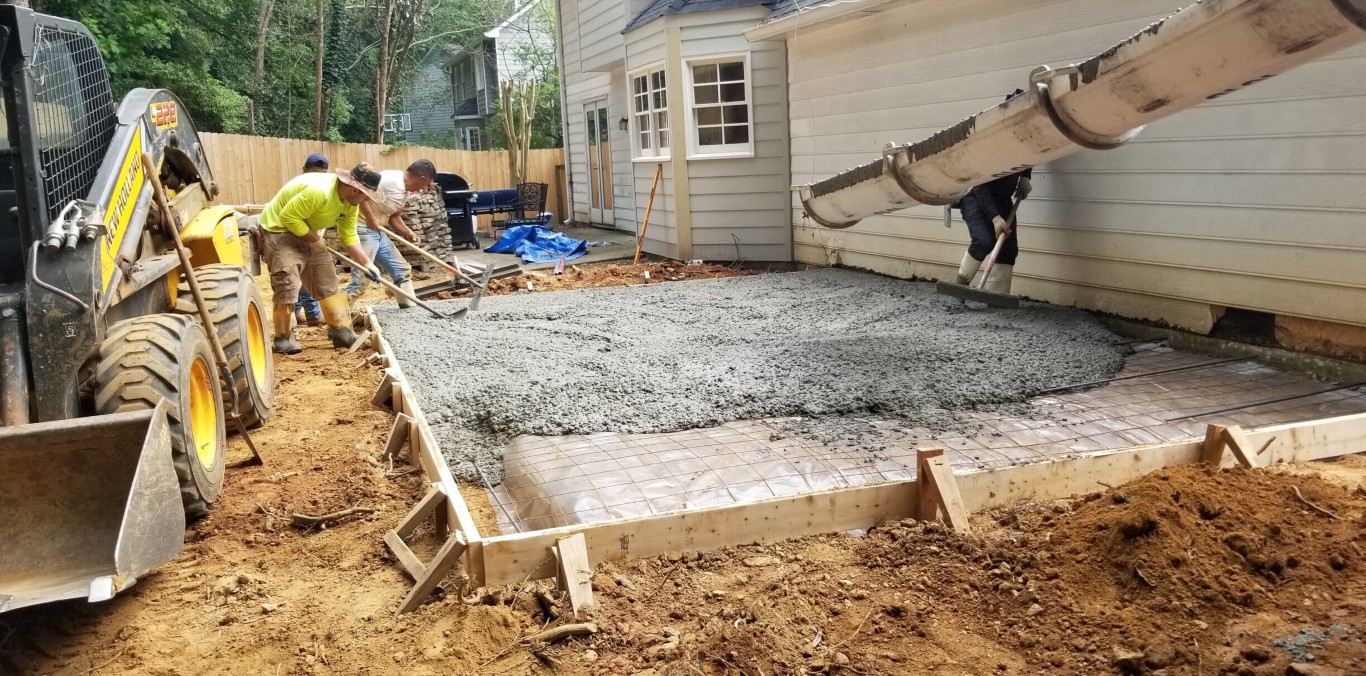
Retaining walls do important work on your property. They hold back soil on slopes, prevent erosion, create level areas for landscaping or construction, and protect structures from shifting earth. Beyond their practical function, well-designed retaining walls add structure, definition, and visual appeal to your landscape. They turn problem slopes into usable space and protect your investment from soil movement and water damage.
Here in Freeport, NY, many properties have grade changes that benefit from retaining walls. Whether you have a steep slope in your yard, need to create terraced garden beds, want to add a raised patio area, or need to stabilize soil near your foundation, retaining walls provide the solution. When you invest in professional retaining wall construction, you get structures engineered to handle the forces of soil and water pressure over the long term.
We build retaining walls using various materials and methods depending on your needs, budget, and aesthetic preferences. From concrete block walls to poured concrete walls to natural stone veneer, we have the expertise to design and build walls that perform properly and look great. Every retaining wall we build includes proper drainage, adequate reinforcement, and solid foundations so it stands strong for decades.
Different situations call for different retaining wall solutions. Here are the main types we install:
The right choice depends on the height of your wall, the soil conditions, drainage requirements, local building codes, and your aesthetic goals. During our consultation, we assess your property and recommend the best approach for your specific situation.
Many retaining wall projects tie into other concrete work like patios, walkways, or steps. We coordinate all aspects to create a cohesive, functional design.
Retaining walls face constant pressure from the soil and water behind them. A wall that is not properly designed and built will fail, sometimes spectacularly. Failures can cause property damage, create safety hazards, and require expensive reconstruction. This is why retaining walls should never be treated as simple DIY projects or built by inexperienced contractors.
For walls over a certain height, typically 4 feet, building codes require engineering and permits. An engineer calculates the forces acting on the wall and designs proper footings, reinforcement, and drainage to ensure stability. Even for shorter walls that do not require permits, following engineering principles is critical for long-term success.
Key factors in retaining wall design include the height and slope of the soil being retained, soil type and bearing capacity, groundwater conditions, surcharge loads from structures or driveways above the wall, frost depth requirements, and seismic considerations in some areas.
We work with engineers when required and follow proven design practices on every project. This ensures your wall performs as intended and passes inspections. Cutting corners on design or engineering is a recipe for failure.
The single most common cause of retaining wall failure is poor drainage. Water that builds up behind a wall increases pressure dramatically, leading to wall movement, cracking, and eventually collapse. Every retaining wall must have proper drainage to survive long-term.
Here is how we handle drainage on every wall we build:
Drainage Aggregate: We backfill behind the wall with free-draining gravel rather than clay soil. This allows water to flow down behind the wall instead of building pressure.
Weep Holes: For solid walls, we install weep holes at regular intervals to let water escape from behind the wall. These are typically placed every 4 to 6 feet along the wall base.
Drain Pipes: We install perforated drain pipe at the base of the wall to collect and channel water away. This pipe connects to daylight drainage or tie into your property drainage system.
Filter Fabric: We wrap the drainage aggregate in landscape fabric to prevent soil from clogging the drainage system over time.
Proper drainage is not optional. Every retaining wall we build includes comprehensive drainage regardless of wall type or height. This is one area where we never cut corners because doing it right the first time prevents catastrophic failures later.
Building a retaining wall requires careful planning and execution. Here is how we approach each project:
First, we assess your property and discuss your goals. We take measurements, evaluate soil conditions, check for utilities, and determine the best wall location and design. If engineering is required, we coordinate with a structural engineer.
Next, we obtain any necessary permits and utility locates. We mark out the wall location and prepare for excavation.
Then we excavate for the wall footing or base. Retaining walls need solid foundations that extend below frost depth to prevent frost heaving. We excavate to the proper depth, compact the base, and install gravel for drainage and stability.
For block walls, we start with a level base course and build up course by course, checking for level and proper setback at each level. For poured walls, we build forms, install reinforcement, and pour concrete.
As we build, we install the drainage system including aggregate backfill, drain pipes, weep holes, and filter fabric. Drainage is integrated into the construction, not added as an afterthought.
Finally, we cap the wall, clean up the site, and backfill in front of the wall as needed. We also connect drainage to proper outlets and ensure water flows away from the wall and your property.
Throughout construction, we maintain communication with you and address any questions or concerns. Our goal is a wall that meets your functional needs, looks great, and lasts for decades.
Retaining walls solve many property challenges and create opportunities for better land use. Here are popular applications:
If you have slopes, drainage issues, or want to maximize usable space on your property, retaining walls might be the answer. We can evaluate your situation and design walls that solve problems while enhancing your property.
Call us for a free consultation. We will assess your property, discuss your options, and provide a detailed quote for professional retaining wall construction.
(516) 665-0322