Fix damaged concrete before small problems become big, expensive failures.
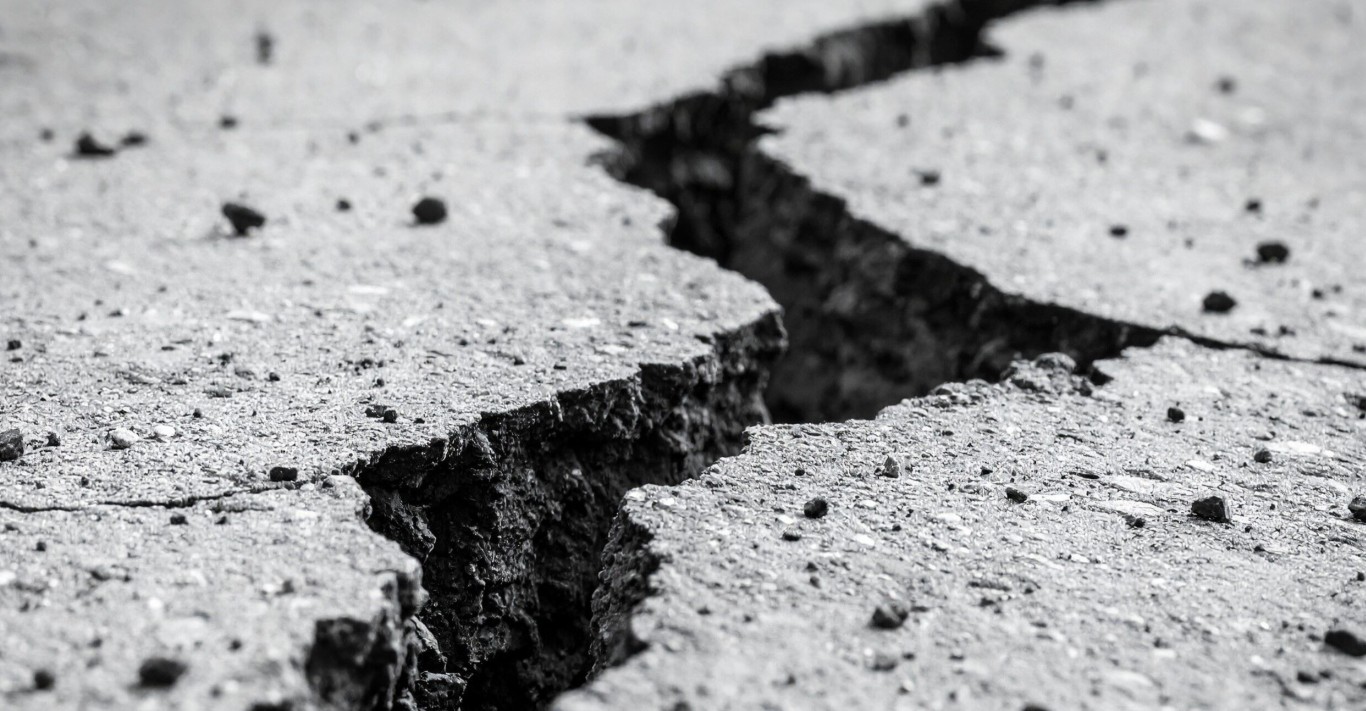
Concrete is one of the most durable building materials available, but it is not indestructible. Over time, driveways, patios, sidewalks, and foundations can develop cracks, settling, surface damage, and other problems. The key is catching these issues early and fixing them properly before minor damage becomes a major headache.
Here in Freeport, NY, we see concrete damage from freeze-thaw cycles, soil settlement, tree roots, heavy loads, and simple age. Small cracks that start out harmless can let water seep underneath, leading to more cracking, settling, and eventual failure. What could have been a simple repair becomes a costly replacement if you wait too long. When you need professional concrete repair, you want someone who can assess the damage honestly and recommend the right solution.
We provide both repair and replacement services depending on what makes the most sense for your situation. Sometimes a repair is all you need. Other times, replacement is the smarter long-term investment. We will walk you through your options, explain the pros and cons of each, and help you make an informed decision. No pressure, no upselling, just honest advice from experienced concrete contractors.
Different types of damage require different repair approaches. Here are the most common concrete problems we see and how we address them:
Every situation is different. When you call us, we visit your property, assess the damage, determine the underlying cause, and recommend the most cost-effective solution. Sometimes that is a simple repair. Other times, replacement makes more sense if the concrete is old, extensively damaged, or likely to have ongoing problems.
We work on all types of concrete surfaces including driveways, patios, sidewalks, steps, foundations, and more. No job is too small or too complex for our experienced team.
Not all concrete repairs are created equal. Some quick fixes only last a season or two before failing again. We use professional-grade materials and proven techniques that provide long-lasting results:
Crack Filling and Sealing: For small to medium cracks, we clean out debris, route the crack to create a proper channel, and fill it with flexible polyurethane or epoxy compounds. These materials bond to the concrete and flex with temperature changes, preventing the crack from reopening.
Concrete Resurfacing: When the surface is damaged but the underlying slab is sound, we can apply a new layer of specialized concrete overlay. This gives you a fresh, smooth surface and can even be stamped or colored for a decorative finish.
Slab Jacking: For sunken concrete, we drill small holes and pump a leveling compound underneath to raise the slab back to its original height. This is much faster and less expensive than complete replacement and works well when the concrete itself is still in good condition.
Patching: Damaged sections can be cut out and replaced with new concrete that is matched to the existing surface. We carefully prepare the edges, add bonding agents, and finish the patch to blend as seamlessly as possible.
Joint Repair: Control joints and expansion joints can deteriorate over time. We clean out old joint material and install new backer rod and sealant to keep joints functioning properly.
The right repair method depends on the type and extent of damage, the age and condition of the concrete, and your budget. We explain your options clearly so you can make the best choice for your property.
The big question with damaged concrete is whether to repair what you have or start over with new concrete. Here is how we help you decide:
Consider Repairs When: The concrete is relatively new and in otherwise good condition. The damage is limited to specific areas. The underlying base and drainage are sound. Repairs will cost significantly less than replacement and provide many more years of service.
Consider Replacement When: The concrete is old and nearing the end of its lifespan anyway. Damage is extensive or widespread. You are experiencing ongoing problems like repeated cracking or settling. The base or drainage needs major work. You want to upgrade to a decorative finish or change the layout.
The 50 Percent Rule: A good rule of thumb is if repairs would cost more than 50 percent of replacement, you are usually better off replacing the concrete. This gives you a brand new surface with decades of life ahead rather than patching old concrete that may develop new problems soon.
Safety and Liability: If damaged concrete creates trip hazards or other safety issues, addressing it promptly is critical. Injuries from falls on uneven concrete can lead to serious liability concerns. We prioritize safety when evaluating repair options.
We give you an honest assessment and cost comparison for both repair and replacement. This way you can make an informed decision based on facts, not guesswork. Some contractors automatically recommend replacement because it is more profitable. We recommend what is actually best for your situation.
When replacement is the right answer, here is how the process works:
First, we remove the old concrete. This involves saw cutting to define the area, breaking up the old slab, and hauling away the debris. We take care to protect surrounding landscaping and structures.
Next, we inspect and prepare the base. If the original base has settled or degraded, we excavate deeper and install new compacted gravel. We also address any drainage issues that contributed to the original failure. This step is critical because a bad base will cause new concrete to fail just like the old did.
Then we form the area, set up proper slopes for drainage, and install reinforcement like rebar or wire mesh. We follow the same careful procedures we use for new installations because replacement concrete deserves the same quality standards.
Finally, we pour, finish, and cure the new concrete. We can match your existing finish or upgrade to something more decorative if you prefer. After installation, you have brand new concrete that should last 30 years or more with proper care.
Replacement usually takes one to three days depending on the size and complexity of the project. We work efficiently to minimize disruption to your property and daily routine.
Whether you repair or replace, you want to avoid having the same problems again. Here are steps you can take to protect your concrete:
We provide maintenance recommendations after every repair or replacement to help you get the longest possible life from your concrete. A little preventive care goes a long way toward avoiding expensive problems down the road.
Call us today for a free evaluation of your concrete problems. We will assess the damage, explain your options, and provide an honest quote for repairs or replacement.
(516) 665-0322